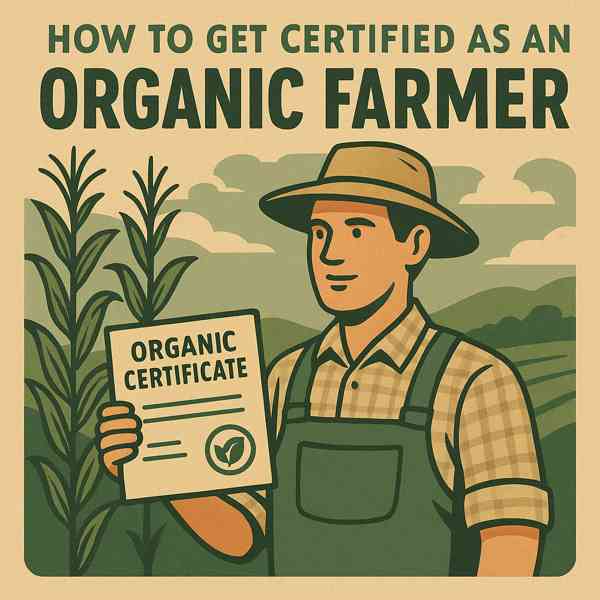
By avoiding chemical pesticides and fertilizers, organic farming promotes biodiversity.
Starting and maintaining an organic farm requires knowledge, commitment, and proper planning.
The Basics of Organic Agriculture
It follows practices that enhance soil fertility.
Core principles of an organic farm:
- Building soil health naturally
- Crop rotation and diversity
- Reducing pest damage without chemicals
- Animal welfare and organic feed
By following these practices, organic farms produce safer food.
Benefits of Organic Agriculture
Organic farming offers important contributions to both the environment and human health.
Key advantages of organic practices:
- Enhanced fertility and productivity
- Safer for consumers and workers
- Maintaining ecological balance
- Selling directly to health-conscious consumers
Organic farming is more than a method—it’s a commitment to sustainable living.
Starting an Organic Farm
Whether you’re growing vegetables, raising livestock, or both, you need to meet organic certification standards.
Your roadmap to organic success:
- Stay compliant from day one
- Use natural fertilizers and compost
- Plan crop rotation and planting schedules
- Maintain purity of organic status
Starting with the right foundation ensures your farm will grow without compromising quality.
Obstacles to Overcome
Despite its benefits, organic farming visit comes with obstacles that require dedication.
What organic farmers must overcome:
- Weed management without herbicides
- Avoiding synthetic pesticides
- Replacing chemical fertilizers with compost
- Meeting organic certification standards
Overcoming these challenges requires a commitment to eco-friendly practices.
How to Sell Your Organic Produce
Marketing is a critical part of running a successful organic farm.
How to promote your organic farm:
- Farmers’ markets and local events
- Social media and online presence
- Creating a consistent customer base
- Offering unique and high-quality products
By building a strong brand and connecting with the community, your organic farm can maintain financial stability.
The Future of Organic Farming
As consumer interest in sustainability rises, organic farming is gaining more recognition.
Innovations and changes on the horizon:
- Precision agriculture and organic tech
- Adapting to changing weather patterns
- Reducing reliance on large retailers
- Building consumer trust through authenticity
Staying ahead of these trends will help organic farmers remain competitive.
Final Thoughts on Organic Farming
Organic farming offers a way to build sustainable communities.
By following eco-friendly methods and engaging with your community, you can build a thriving organic farm.